
Rooted in the Deccan, named after the ground
Our story
Black Soil began in Kalaburagi with a plain observation: the food this district is known for travels the country without its name attached. Tur from these fields ends up in a bag that says nothing about where it grew, milled to look like every other bag on the shelf.
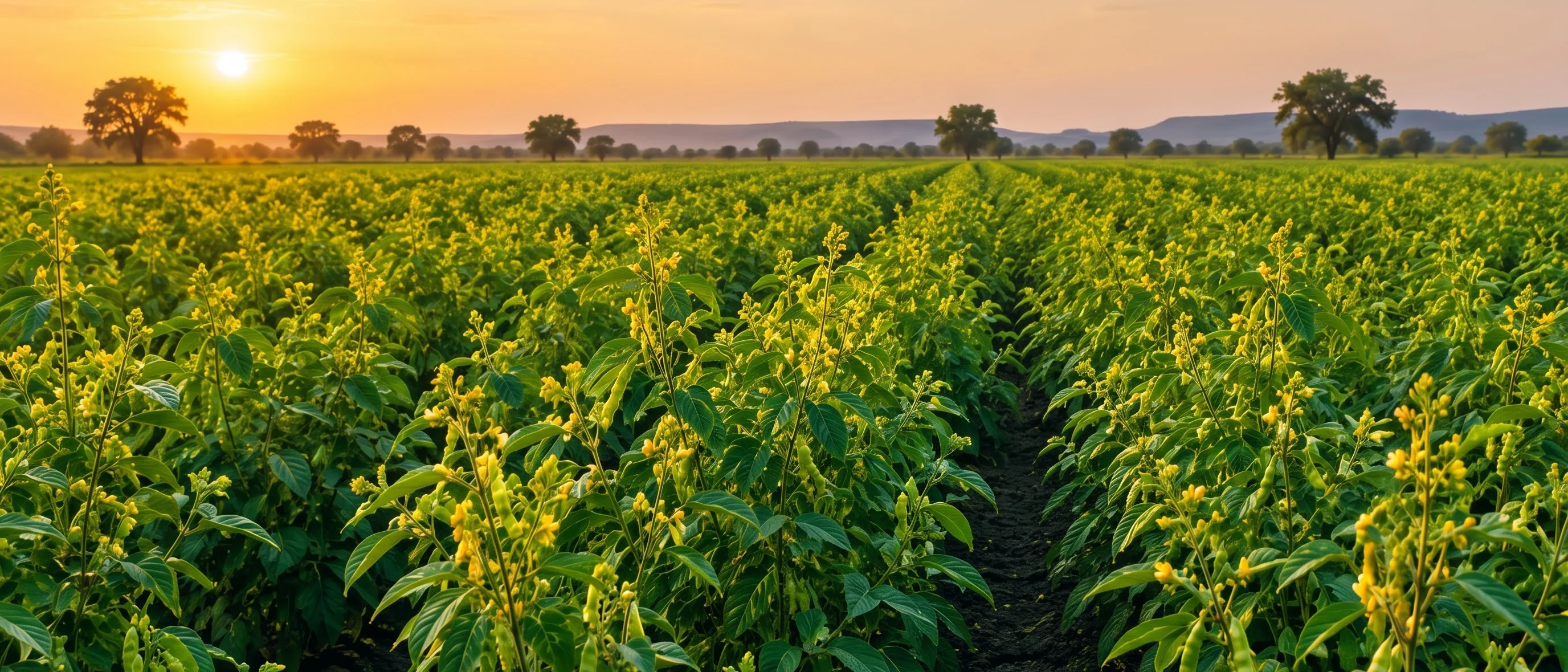
Kalaburagi sits on regur — black cotton soil, locally just eri mannu. It is dark, heavy clay that cracks open when it dries and holds moisture long after the monsoon has gone. That is exactly what a long-duration crop like tur needs to finish its season, and it is the reason food from here behaves the way it does. It is difficult ground to farm. The brand is named after it rather than the other way round.
So we sell a short range and say where each item came from. Nine products: five dals and pulses, four cold-pressed oils. Dals left unpolished, so they look less uniform in the pack and behave more like the pulse they are. Oils pressed without added heat, which yields less from the same seed and leaves the colour and smell in the bottle.
Today we can name the region a batch came from. As we grow we want to name the farms, and carry that through to batch-level records printed on the pack itself. We would rather claim less and prove it than claim more and hope nobody checks.
How it reaches you
Four steps, in order
- 01
Growing
Sown on black cotton soil after the first rains, and left the full season a long-duration crop needs.
- 02
Harvest
Cut when the crop is ready rather than when the calendar says so, and dried before it moves.
- 03
Milling & pressing
Dals milled without polishing. Oilseeds pressed without added heat, close to where they grew.
- 04
Packing
Small batches, packed with the region named on the pack, so nothing sits long enough to fade.
Know where your food comes from.
Nine products, one district, and the region named on every pack.